POLLN8 is a calm pollination game where you guide a bumblebee through living
meadows, wake flowers with a touch, and discover the native pollinators that keep
the world in bloom. This is the field guide to all twelve, quiet, illustrated, and
made to be read together.
Pollination is how pollen travels from one flower to another so plants can make
seeds and fruit. Flowers use color, shape, and scent to invite visitors closer. As a
pollinator drinks nectar or gathers pollen, a little pollen brushes onto its body,
and it carries that pollen to the next bloom it visits.
That quiet hand-off, repeated flower after flower, is what lets meadows, gardens,
orchards, and whole wild places keep growing. In POLLN8 you can feel it happen: guide
the bee, brush a flower, and watch the meadow begin to wake.
Why pollinators matter
A great deal of the food we eat, and the wild plants that feed and shelter other
animals, depends on pollinators doing their everyday work. A growing meadow asks for
more pollinators, and many pollinators make the meadow stronger.
Different visitors follow different signals. Some forage in cold and drizzle, some
only in warm sun, some after dark. Because each one reaches different flowers in
different weather and seasons, a meadow with many kinds of pollinators stays alive
longer and recovers more easily. Diversity is the meadow’s quiet insurance.
the cast
Meet the 12 POLLN8 pollinators
Six kinds of bees, two butterflies, a night-flying moth, a hoverfly, a beetle, and
a hummingbird. Each one appears in the meadow as it grows, and earns its own card in
the field guide. Tap any card to read more.
Social bee
Bumblebee
Buzz-pollinates by shivering flowers until hidden pollen falls free.
Forage
Deep tubular blooms, clover, berries, and early-spring flowers.
Habitat
Cool temperate meadows, gardens, and mountain slopes.
Did you know
It can warm its own flight muscles, so it forages in cold and drizzle when other bees stay home.
How to help
Leave undisturbed grass and old mouse burrows where queens can nest underground.
In POLLN8
The bee you guide; its fuzzy pollen-dusted trail is what first wakes the meadow.
Traits
all-weather flier
low warm hum
shakes pollen loose
Solitary bee
Mason bee
An early, intensely efficient pollinator that tumbles belly-first through blossoms.
Forage
Fruit-tree blossom and early-spring wildflowers.
Habitat
Woodland edges and gardens with hollow stems and small cavities.
Did you know
A few hundred mason bees can pollinate an orchard that would otherwise need tens of thousands of other bees.
How to help
Offer a bee house of hollow reeds or drilled wood near a patch of damp clay for their nest walls.
In POLLN8
A quiet native helper that joins when local blooms thrive.
Traits
dawn specialist
belly-dusted with pollen
builds with mud
Ground-nesting bee
Mining bee
An early-season meadow pollinator that nests in the ground and visits low flowers.
Forage
Spring wildflowers, willow catkins, and early asters.
Habitat
Bare soil patches, sunny meadow edges, and native gardens.
Did you know
Many mining bees dig their own small nests in bare ground and are vital early-season pollinators.
How to help
Leave small patches of bare soil, skip heavy mulch and pesticides, and plant early blooms.
In POLLN8
A gentle native helper that emerges near the meadow floor and works the lowest flowers.
Traits
early riser
ground nester
tawny soil forager
Solitary bee
Leafcutter bee
Carries dry pollen on the underside of its abdomen, dusting each flower it visits.
Forage
Peas, sunflowers, and many garden wildflowers.
Habitat
Warm gardens, meadows, and woodland clearings.
Did you know
It snips neat oval pieces from leaves to wrap each egg in a tidy green nursery.
How to help
Tolerate small leaf cuts in the garden and leave bare hollow stems for nesting.
In POLLN8
A native helper that appears as habitat patches deepen across the meadow.
Traits
leaf-wrapping builder
belly pollen basket
tidy nest-maker
Solitary bee
Carpenter bee
A large, powerful flier that buzz-pollinates and sometimes sips nectar from a flower’s side.
Forage
Large open flowers, passionflower, and wisteria.
Habitat
Warm regions with soft dead wood for tunneling.
Did you know
The biggest females bore smooth tunnels in wood with their jaws, reusing them year after year.
How to help
Leave a stump or untreated wood beam standing and plant big nectar-rich blooms.
In POLLN8
A bold helper that turns up in fuller, warmer meadow cycles.
Traits
glossy heavyweight
deep resonant buzz
wood-tunnel nester
Solitary bee
Sweat bee
A tiny, often metallic bee that pollinates small flowers in great numbers.
Forage
Small open wildflowers and herbs.
Habitat
Sunny bare soil, meadows, and gardens worldwide.
Did you know
Many shimmer green or gold, and some are drawn to the salt in human sweat on warm days.
How to help
Keep small patches of bare, undisturbed ground where they can dig their nests.
In POLLN8
A small glinting helper that joins when many flowers bloom at once.
Traits
metallic shimmer
small-flower specialist
bare-soil nester
Butterfly
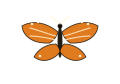
Monarch butterfly
Sips nectar through a coiled tongue, brushing pollen between sunlit blooms.
Forage
Milkweed for its young, and nectar-rich asters and goldenrod.
Habitat
Open meadows along long seasonal migration routes.
Did you know
Some monarchs travel thousands of miles, and it takes several generations to complete the round trip.
How to help
Plant native milkweed and late-season nectar flowers along their migration path.
In POLLN8
A bright daytime helper drawn in once the meadow blooms with color.
Traits
long-haul traveler
color-led forager
generational journey
Butterfly
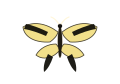
Swallowtail butterfly
A large butterfly that flutters constantly while feeding, dusting many flowers in turn.
Forage
Deep nectar flowers like phlox, thistle, and zinnia.
Habitat
Meadows, gardens, and woodland edges across many regions.
Did you know
The tails on its hind wings can fool a predator into striking a wing instead of its body.
How to help
Plant host plants like parsley, dill, and carrot-family flowers for its caterpillars.
In POLLN8
A graceful daytime helper that arrives in rich, sunlit blooms.
Traits
tailed glider
restless feeder
wing-eye trickster
Moth
Hawk moth
Hovers like a hummingbird to drink from deep flowers, pollinating after dark.
Forage
Pale, fragrant night-opening flowers and long-throated blooms.
Habitat
Dusk and night meadows in warm and temperate regions.
Did you know
One hawk moth has a tongue long enough to reach a flower no other pollinator can empty.
How to help
Plant pale evening-scented flowers and keep outdoor lights low at night.
In POLLN8
A dusk helper that appears when the meadow dims toward evening.
Traits
hovering night flier
longest tongue
moonlit forager
Bird pollinator
Hummingbird
Drinks nectar mid-hover, brushing pollen on its head and bill between flowers.
Forage
Deep red and tubular flowers rich in nectar.
Habitat
The Americas, from gardens to mountain meadows.
Did you know
Its wings beat so fast they hum, and it can hover, climb, and even fly backward.
How to help
Plant native tubular flowers and skip pesticides so tiny insects remain for protein.
In POLLN8
A vivid helper that arrives at deep blooms once the meadow is thriving.
Traits
hovering jewel
backward flight
deep-flower reach
Fly pollinator
Hoverfly
A bee-mimicking fly that pollinates while feeding on pollen and nectar.
Forage
Open, flat flowers like umbels and daisies.
Habitat
Meadows, gardens, and field edges across the world.
Did you know
Its young often eat aphids by the hundreds, so it pollinates and protects plants at once.
How to help
Grow flat open flowers and avoid spraying, so its aphid-eating larvae can thrive.
In POLLN8
A steady helper that hovers in once the meadow opens many simple flowers.
Traits
bee disguise
midair hover
garden guardian
Beetle pollinator
Beetle
An ancient pollinator that carries pollen as it crawls and chews through open blooms.
Forage
Large bowl-shaped flowers, magnolias, and water lilies.
Habitat
Meadows, wetlands, and forests worldwide.
Did you know
Beetles were pollinating flowers long before bees existed, back among the earliest blooms.
How to help
Leave leaf litter and old logs, and grow open bowl-shaped flowers they can climb into.
In POLLN8
An unhurried helper that turns up among broad open blooms in a settled meadow.
Traits
ancient pollinator
armored crawler
bowl-flower visitor
how to help
What pollinators need
The same things that wake a meadow in POLLN8 help pollinators in the real world.
A small garden, balcony pot, or schoolyard patch can do a surprising amount.
Nectar & pollen
Flowers are food. Nectar gives energy; pollen feeds growing young in the nest.
Native flowers
Local wildflowers and the pollinators near you grew up together and fit best.
Shelter & nests
Bare soil, hollow stems, old wood, and undisturbed grass give them somewhere to live.
Water & mud
A shallow dish or a patch of damp clay lets bees drink and build nest walls.
No unnecessary pesticides
Skipping sprays keeps pollinators and the tiny insects many of them rely on safe.
Season-long blooms
Flowers from early spring through late autumn feed visitors all year round.
How POLLN8 teaches through play
POLLN8 teaches the way a meadow does, by inviting attention, not by quizzing. There
are no scores, timers, leaderboards, or fail states. You guide a bumblebee, wake
flowers through touch and motion, and as each meadow grows fuller, new pollinators
arrive on their own.
Every pollinator you meet unlocks a field guide card with its forage, its habitat, and
a small true detail from the real ecology of pollination. The learning lands because
the world feels alive: a child notices the hawk moth only comes out at dusk, or that
the bumblebee keeps working in the drizzle. Curiosity does the rest.
for classrooms and families
Unpack the teacher guide.
The free POLLN8 teacher guide turns the meadow into a lesson: calm classroom and home activities, a step-by-step sample activity, kid-friendly vocabulary, and discussion prompts that pair with the twelve pollinators above.